
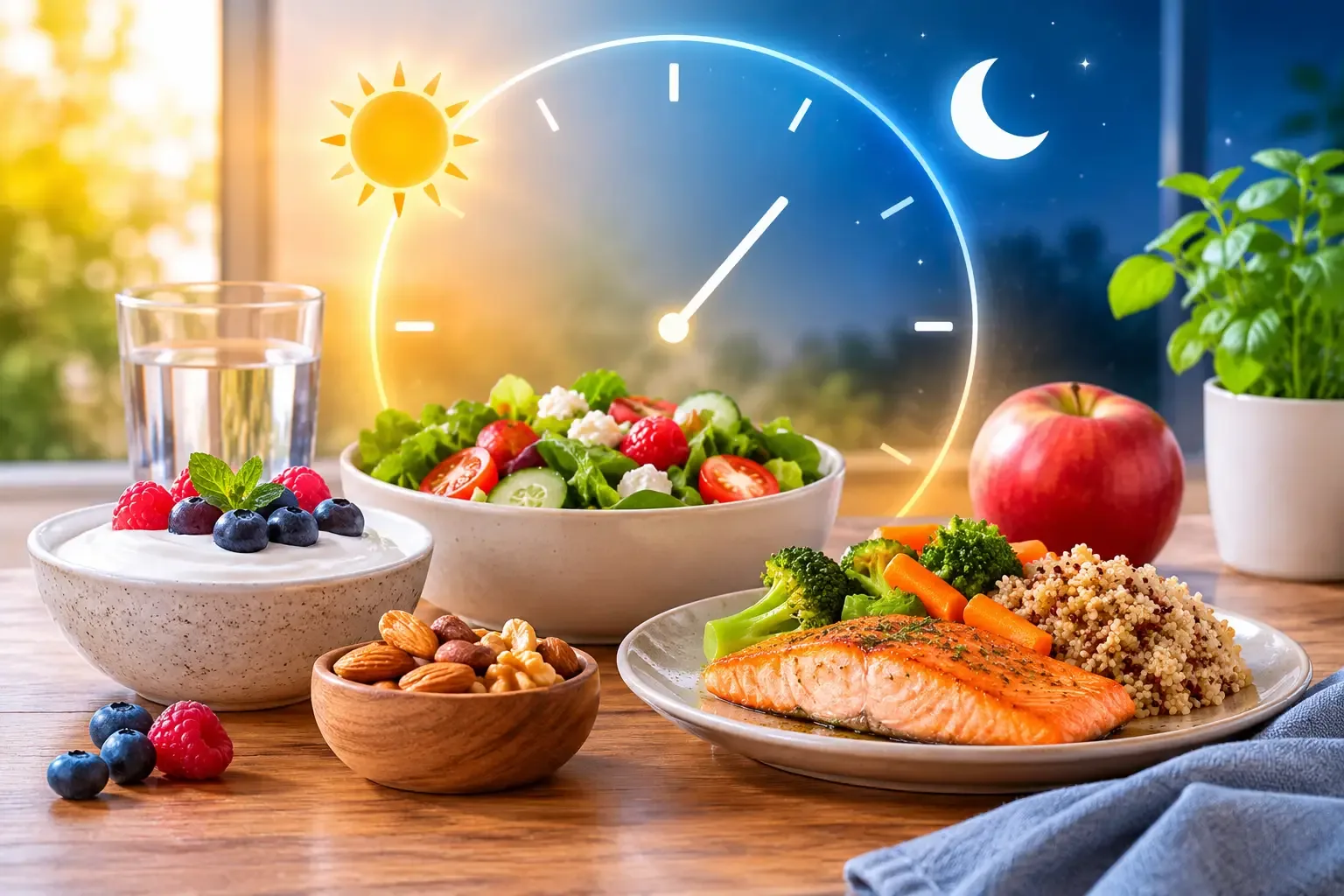
What Is Chrononutrition?
We are used to paying close attention to the quality and quantity of the foods we consume. However, another factor may also influence our health: the timing of our meals.
Chrononutrition is a relatively new field of scientific research that explores the relationship between meal timing, circadian rhythms and metabolic function.
Our body operates according to an internal biological clock that regulates sleep, hormone secretion, body temperature and many metabolic processes. This means that our ability to process nutrients does not necessarily remain the same throughout the 24-hour day.
How Does Meal Timing Affect Metabolism?
Research suggests that our bodies experience natural fluctuations in insulin sensitivity and glucose regulation throughout the day. In general, metabolic responses appear to be more favourable earlier in the day than during the late evening hours.
On the other hand, regularly consuming a large proportion of daily energy late in the evening, eating at irregular times and frequently eating during the night have been associated in studies with less favourable metabolic and cardiovascular health markers.
Sleep also plays an important role. Insufficient sleep can affect the mechanisms that regulate hunger and fullness, increase cravings for energy-dense foods and make it more difficult to maintain balanced eating habits. At the same time, very heavy meals late in the evening may negatively affect sleep quality.
This does not mean that eating dinner automatically leads to weight gain. Overall dietary habits, food quality, energy intake, sleep and physical activity all matter.
How Can We Apply Chrononutrition to Everyday Life?
There is no need to follow rigid meal schedules or ignore hunger. A few simple changes can help us establish a more consistent eating routine:
- Try to maintain relatively consistent meal times according to your daily schedule.
- Avoid regularly skipping meals and then consuming large amounts of food in the evening.
- Choose a balanced breakfast and an adequate lunch.
- Limit large, heavy meals immediately before bedtime.
- Make sure you get sufficient and consistent sleep.
- Maintain a healthy balance between nutrition, sleep and physical activity.
The length of the daily eating window has also become an important subject of research. Intermittent fasting is one approach within this field and involves alternating periods of eating with periods of fasting. One of its best-known forms is the 16:8 method, in which food intake is limited to an eight-hour window.
However, the timing of the eating window matters as well as its duration. Consuming meals earlier in the day appears to offer certain metabolic advantages compared with eating very late. Nevertheless, intermittent fasting is not essential for good health or weight loss, and it is not suitable for everyone.
Is Chrononutrition Suitable for Everyone?
Every person’s needs are different. Work schedules, physical activity, age, sleep patterns and individual biological rhythms all influence nutritional needs and meal timing.
Furthermore, people with diabetes, those taking certain medications, pregnant women and breastfeeding mothers need individualised guidance before making significant restrictions to their eating schedules.
It is important to remember that chrononutrition is an interesting and evolving field of research. Although current findings are encouraging, there are not yet universally accepted meal schedules that work for everyone.
My Opinion
I believe chrononutrition helps us look at nutrition more holistically. Choosing healthy foods is not enough; we also need to establish a daily routine that supports our body’s natural functions.
We do not need to become overly strict about the clock or follow trends such as intermittent fasting without considering whether they suit our individual needs. Consistent meal patterns, a balanced diet and adequate sleep are a much more meaningful starting point.
In my view, the best diet is one that combines scientific knowledge with each person’s actual needs and lifestyle.